The Plant Shop: How a Plant-Shop Routine Becomes Psychological Horror
Tori’s The Plant Shop pairs late-night plant orders with a town curse. Here is what makes its cozy-horror design compelling—and why the claim that it is one of 2026’s best horror games needs a narrower reading.
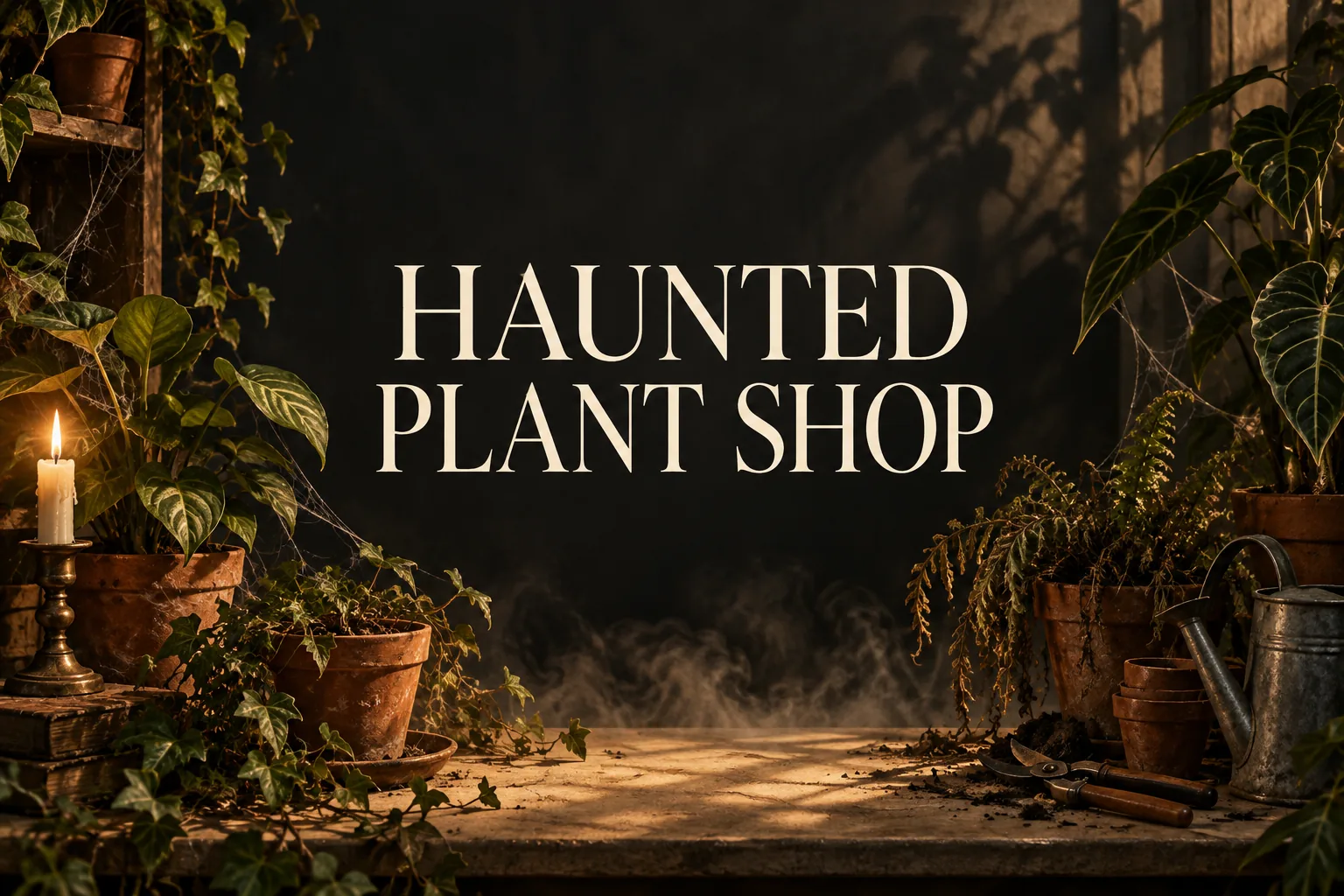
The Plant Shop starts with a deceptively gentle idea: run a small plant shop at night. Its official Steam listing describes it as a cozy psychological-horror shop-management game, while developer Tori’s page centers the experience on Silvia, customer orders, and a strange curse.
That contrast is more interesting than the label alone. The game’s strongest idea is not simply putting horror in a plant shop. It is making an ordinary service routine the frame through which the unsettling story arrives.
Is The Plant Shop really one of 2026’s best horror games?
That superlative cannot be treated as an established fact. The official pages describe the game and its features, but they do not provide a year-wide ranking or a comparison with other horror releases.
A more defensible answer is that The Plant Shop has a clearly defined horror hook worth attention. Released on September 16, 2026, it puts players in the role of Silvia, who works a corporate job during the day and runs a late-night plant shop. According to the Steam description, customers share stories about a curse that affected the town 30 years earlier, while increasingly strange events begin to occur in the shop.
That setup gives the horror a specific source of tension: the player is not merely exploring an ominous location. The player is also expected to keep a small business routine moving while the story makes that routine feel less ordinary.
Why the shop routine matters more than the setting
The official Steam listing identifies the practical loop clearly. Silvia serves late-night customers and crafts plants using pots, soil, seeds, and water. Those details matter because they turn the premise into a repeatable activity rather than background decoration.
The useful inference is that the shop work can make the supernatural material more noticeable. A customer order, a plant recipe, and a familiar counter create a baseline of normality. When the game introduces the town’s curse and strange events, the contrast gives those developments somewhere to land.
The visual direction supports the same reading. The official Steam announcement identifies VHS- and CRT-inspired effects. That does not prove a particular scare or guarantee a specific emotional response, but it establishes a deliberately retro presentation for a game built around routine, customers, and an old local mystery.
The three modes point to three different kinds of play
The full game offers Story Mode, Relaxed Mode, and Endless Mode. Story Mode includes multiple endings. Relaxed Mode removes scares and time limits. Endless Mode uses timed orders and leaderboards.
Those are meaningful differences, not just extra menu options. Story Mode is the clearest fit for players interested in the curse and its possible outcomes. Relaxed Mode lowers the pressure and lets the plant-shop activity stand on its own. Endless Mode changes the emphasis toward repeated orders and performance.
This also explains why calling the game simply a horror title misses part of its appeal. Its design leaves room for narrative tension, a calmer shop-focused experience, and a more competitive loop. The game is not asking every player to approach its premise in exactly the same way.
Can you try the idea before buying?
Tori’s official itch.io page offers a free Windows demo described as approximately 10–15 minutes long. It covers the first story day, so it is useful for testing the opening tone and the basic shop routine, not for judging the full story or every ending.
For the full release, the Steam listing shows a regular price of $4.99 and a current $4.49 sale price through September 30, 2026. The price is modest, but the more important question is whether the combination of customer service, plant crafting, and psychological horror sounds appealing before the mystery expands.
The honest verdict
The official evidence does not establish The Plant Shop as objectively one of the best horror games of 2026. It does establish something more useful: a focused concept with a clear relationship between everyday work and unsettling storytelling.
For players who enjoy horror that grows out of repetition, atmosphere, and narrative disruption rather than a single oversized premise, that is a strong reason to pay attention. The Plant Shop’s case is not that its title settles the ranking. Its case is that a late-night plant shop gives horror a routine worth disturbing.
Sources
Related notes
- Is The Plant Shop One of the Best Horror Games This Year?
- PHOTOMALY Full Game: How Does the Photography Studio Drive the Horror?
- PHOTOMALY Full Game: What the Photo-Studio Horror Loop Actually Involves
- PHOTOMALY Full Game: A Photo Studio Job With a Growing Mystery
- 3 Scary Games #114: The Three Games I Looked Up