We Finally Learned How to Fish
Learning to fish starts with the water’s rules—not a bigger tackle box. Here’s how to make the first outing clear, safe, and responsible.
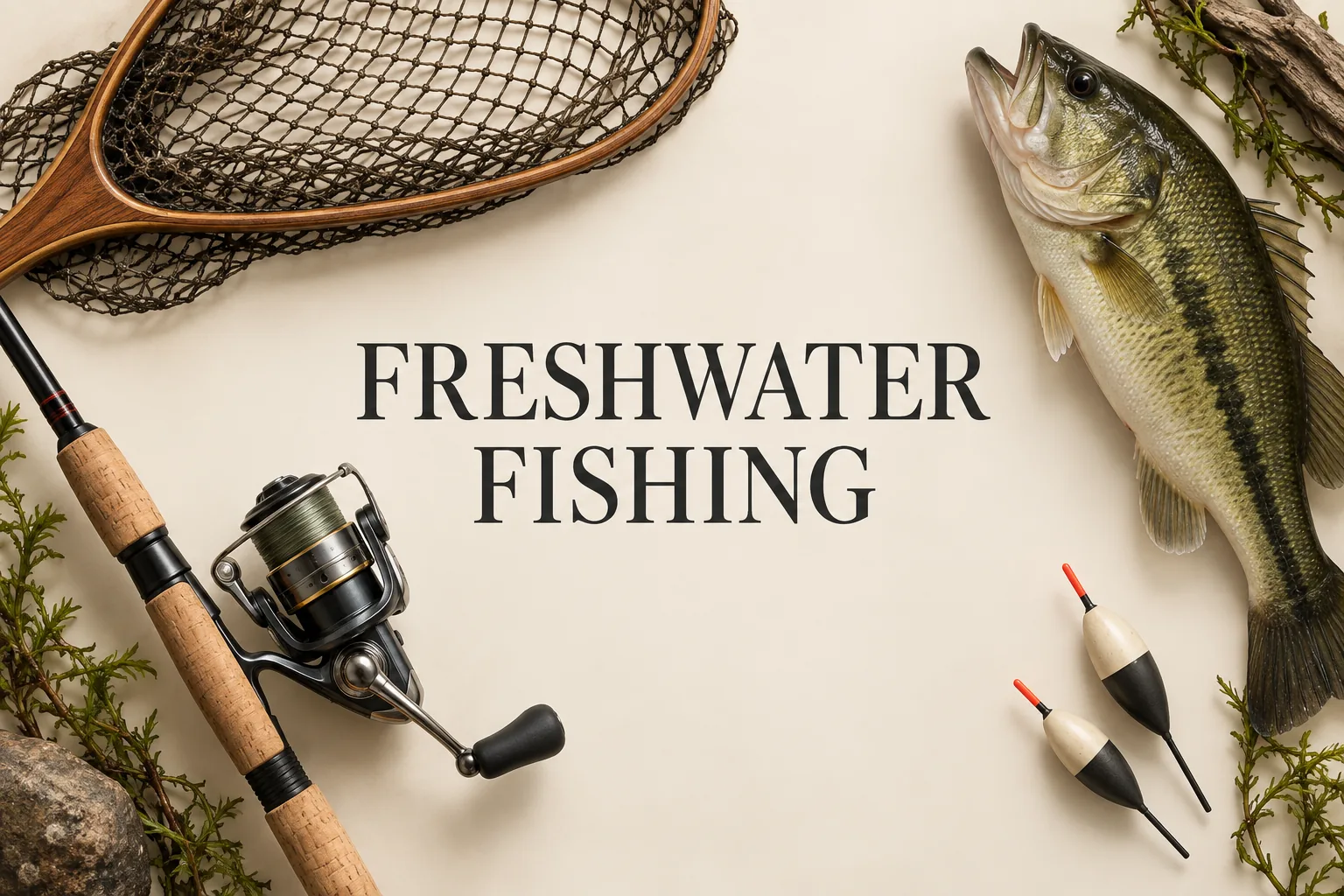
The first lesson is the water’s rules
“How do I fish?” sounds like a casting question. In the US, it starts earlier: identify the water and check the rules that govern it.
The U.S. Fish & Wildlife Service’s first-time fishing guide directs beginners to follow state fishing regulations. USAGov’s state-government directory can help locate the relevant state agency. Before buying tackle or tying a rig, check the license requirement and the rules for that water, including seasons, legal bait or tackle, size limits, and possession limits.
That changes the beginner’s job. The goal is not to assemble a universal kit; it is to create a legal, understandable setup for one specific outing.
A simple rig makes the bite readable
The U.S. Fish & Wildlife Service guide lists a rod and reel, 4–12-pound-test monofilament line, size 6–10 hooks, split-shot weights, a bobber, and bait or lures permitted by local regulations. It describes both closed spin-casting reels and open-bail spinning reels.
Its basic bobber rig follows a clear sequence: tie on the hook, attach one or two split-shot weights 6–12 inches above it, add the bobber, and place bait on the hook. The point is not to make the setup impressive. A bobber turns an otherwise invisible event into a visible signal, giving a beginner something specific to watch rather than asking them to interpret every movement of the line.
That also makes troubleshooting more useful. If nothing happens, the first question does not have to be which advanced lure to buy. It can be whether the bait and tackle are legal, whether the rig is assembled correctly, and whether the bobber is positioned to show a bite.
Practice casting before adding a hook
The same FWS guide recommends removing the hook and using a rubber casting plug while practicing. Cast only in an open area, and look behind and around you before releasing the line. People, swimmers, animals, and overhead power lines all matter because a hook can cause a serious injury.
This is more than a safety footnote. Separating the cast from the hook isolates the first skill. A beginner can learn how the rod and reel release line without also managing bait, a sharp hook, and a fish. Once the motion is controlled, the fishing setup becomes easier to understand.
When fishing from a boat or while wading, the FWS guide also calls for a Coast Guard-approved life jacket. Shore fishing and watercraft fishing should not be treated as the same safety situation.
The catch is part of the lesson
Catching a fish does not end the process. It creates a handling decision.
For catch-and-release fishing, the National Park Service guidance recommends wet hands or gloves, keeping the fish in the water as much as possible, and avoiding pressure on the body or gills. Remove the hook quickly with needle-nose pliers, hemostats, or a hook remover. If a hook is deeply embedded or cannot be removed easily, cut the line close to the hook instead of pulling it out.
The fish should be supported in the water until it swims away normally. Those instructions change what belongs in a beginner’s kit: hook-removal tools and appropriate handling equipment are not optional extras after the interesting part. They are part of learning how to fish responsibly.
What we finally learned
The useful breakthrough is not discovering a secret lure. It is recognizing that fishing is a sequence of decisions:
- Which water are you using, and what rules apply there?
- Can the setup show what is happening without unnecessary complexity?
- Can you practice the cast without putting someone near a hook at risk?
- If you catch a fish, can you handle it according to the outcome you intend—keeping it only when local rules allow it, or releasing it with minimal harm?
That is why a first fishing trip does not need to begin with more gear. It needs a lawful place, a simple readable rig, a safe cast, and a plan for the fish after the bite. The result is a skill that can be improved deliberately instead of a pile of equipment that leaves the basic question unanswered.